
Commercial Space for Sale in Bangkok — Retail & Investment Property
Bangkok's commercial property market spans ground-floor retail units, standalone commercial buildings, and mixed-use developments with dedicated commercial title — a distinct category from the condo and house listings that dominate most of this site's search traffic. This page brings together live commercial-for-sale listings across the city, updated as new units come to market, for investors and business owners evaluating a purchase rather than a lease.
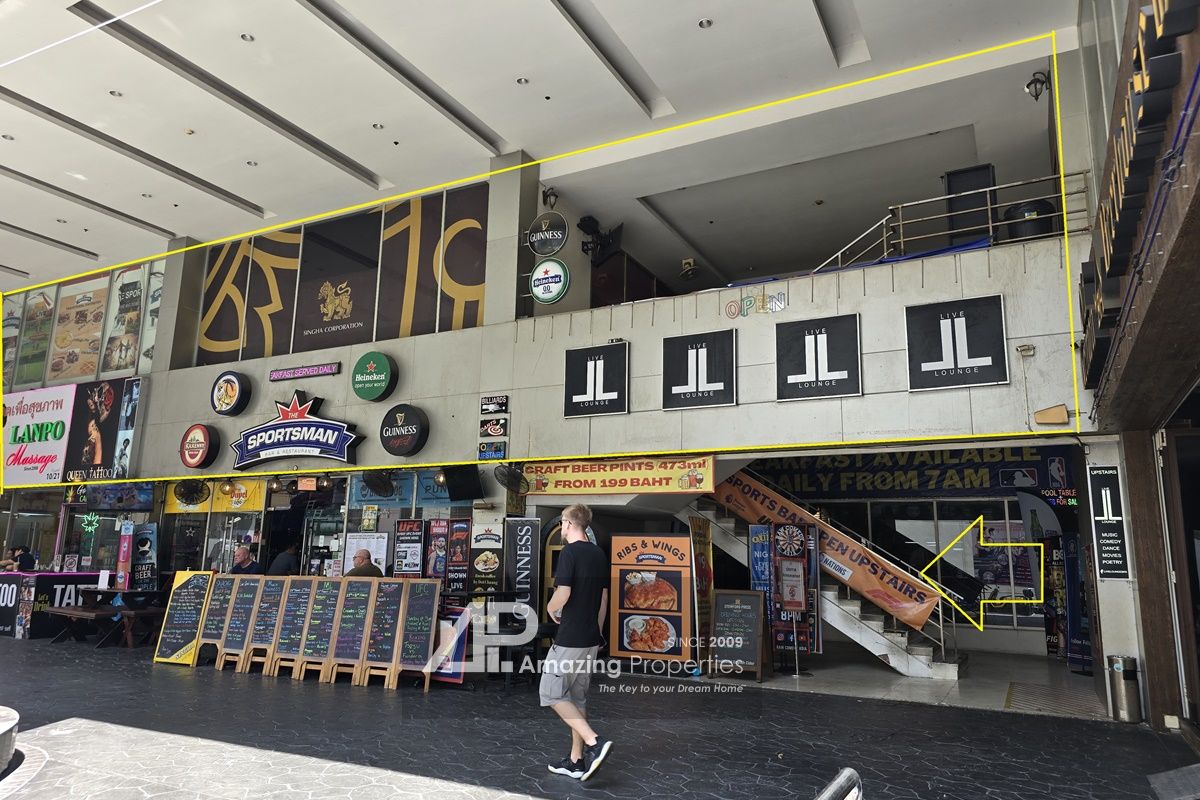
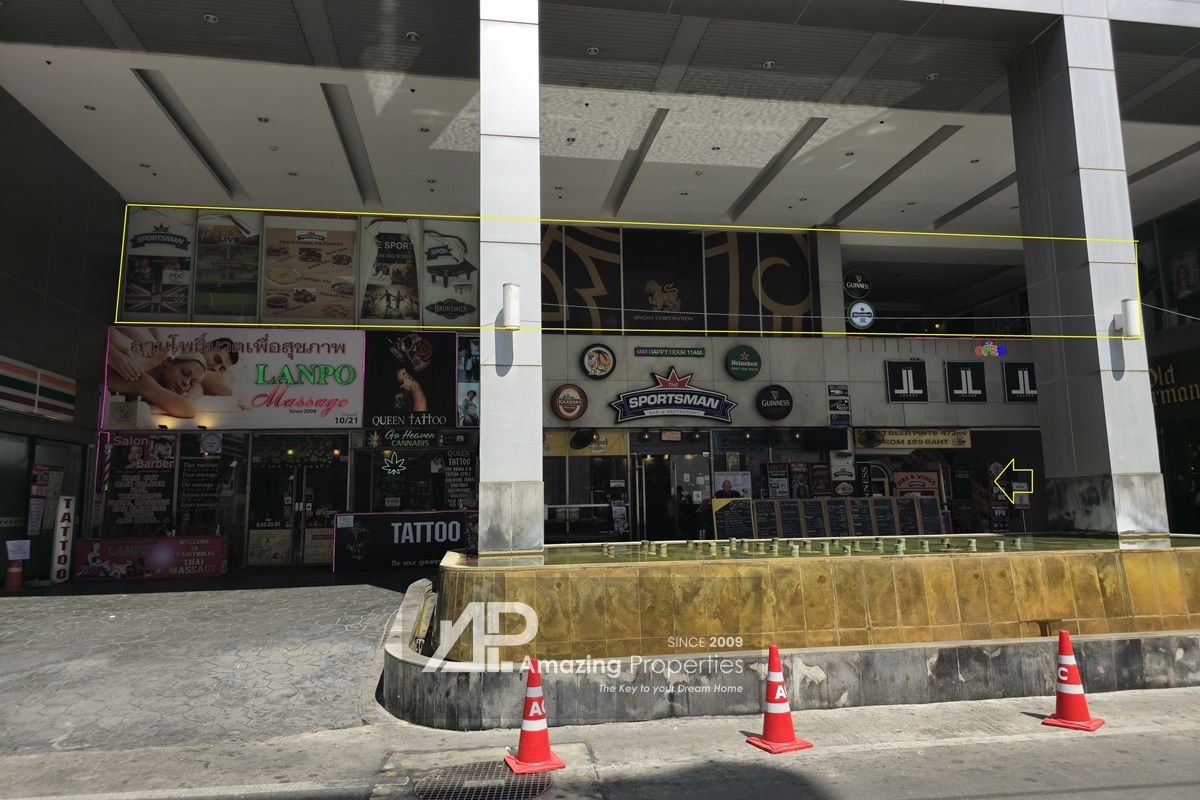
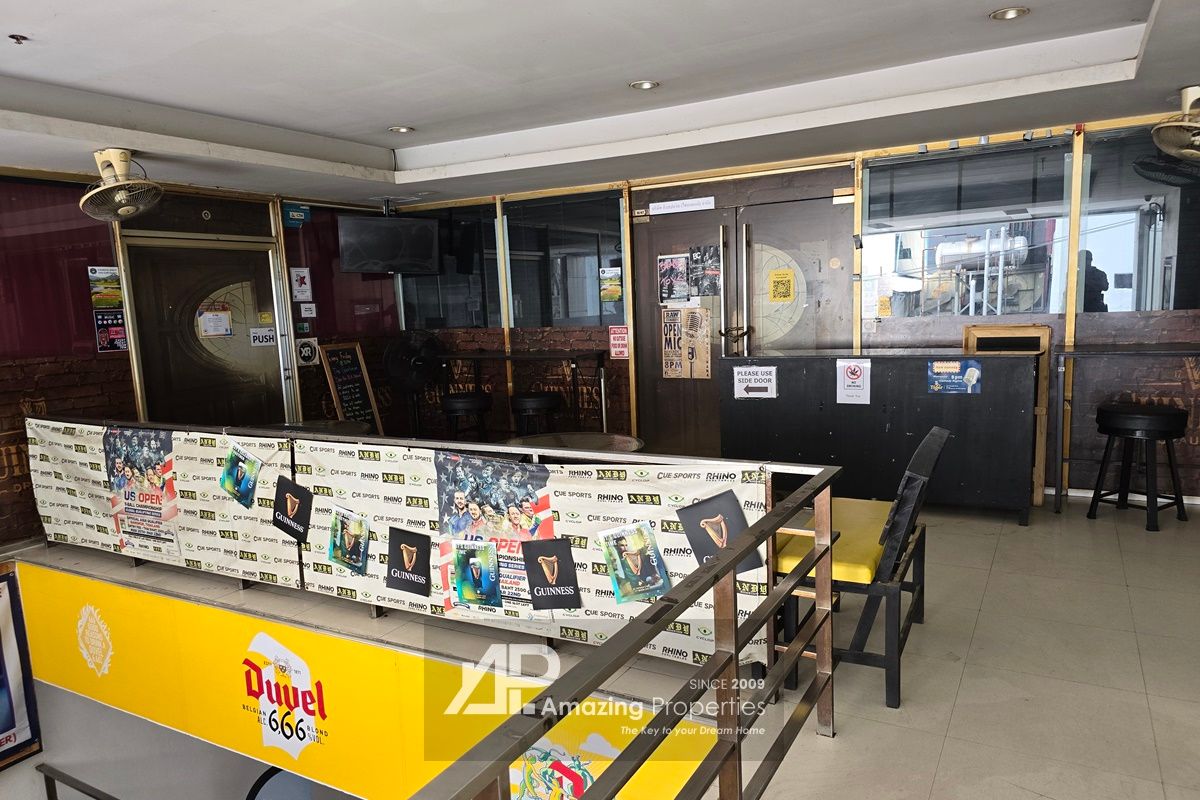
The two most common commercial formats are ground-floor retail units inside residential or mixed-use towers, and standalone commercial buildings held under separate title. Ground-floor retail value is largely footfall-driven — location on a busy street or inside a high-traffic development matters more than square footage alone. Standalone buildings behave more like a conventional real estate investment, valued on lease income, tenant quality, and the building's condition and location.
For investors, commercial property is typically evaluated on rental yield and lease structure rather than lifestyle appeal. A tenant with a strong covenant on a long-term lease materially changes the risk profile of a purchase compared to a vacant unit bought on spec. Buyers should factor in the cost and timeline of finding a suitable tenant if the unit isn't already leased.
Foreign ownership of commercial property in Thailand is more restricted than the well-known condominium freehold allowance, and the permitted structures vary by property type and use. This is a materially different legal picture from buying a condo, and anyone considering a commercial purchase as a foreign buyer should get current, structure-specific legal advice before making an offer — this page is not a substitute for that.
If you're looking to lease commercial space rather than buy, see our office space for rent listings. Browse the current commercial-for-sale inventory below, or explore our wider property for sale listings if you're open to residential investment property as well.
Frequently Asked Questions
What counts as commercial property in Bangkok?
Commercial property covers ground-floor retail units inside residential or mixed-use buildings, standalone commercial buildings, and dedicated office or retail developments — distinct from condominium units, which are classified as residential even when used for short-term letting.
Can foreigners buy commercial property in Thailand, and under what structure?
Foreign ownership of commercial property is more restricted than the condominium freehold allowance most buyers are familiar with, and the available structures depend on the property type and intended use. This varies case by case, so we'd strongly recommend confirming the current legal position with a Thailand-qualified property lawyer before making an offer.
What returns can commercial property investors expect?
Returns vary widely by location, tenant quality, and lease structure, and we don't publish a blanket yield figure because it would be misleading across such different asset types. A leased standalone building with a strong tenant behaves very differently, return-wise, from a vacant ground-floor retail unit bought on spec.
What due diligence is needed before buying commercial space?
At minimum: title verification, confirmation of any existing lease terms and tenant covenant strength, a check of the building's condition and any outstanding structural or licensing issues, and legal confirmation of the ownership structure available to you as a buyer. We'd recommend engaging a lawyer and, where relevant, a building surveyor before committing.
Ground-floor retail vs. standalone building — which is the better investment?
It depends on your goals. Ground-floor retail units typically require a smaller outlay and are more footfall-dependent, suiting investors comfortable evaluating a specific location's foot traffic. Standalone buildings involve a larger commitment but can offer more control over tenanting and use. Neither is categorically better — it comes down to budget, risk appetite, and how hands-on you want to be.